
Micro markets vs traditional vending machines: Which setup suits your business?
Unexpected item in the staff room
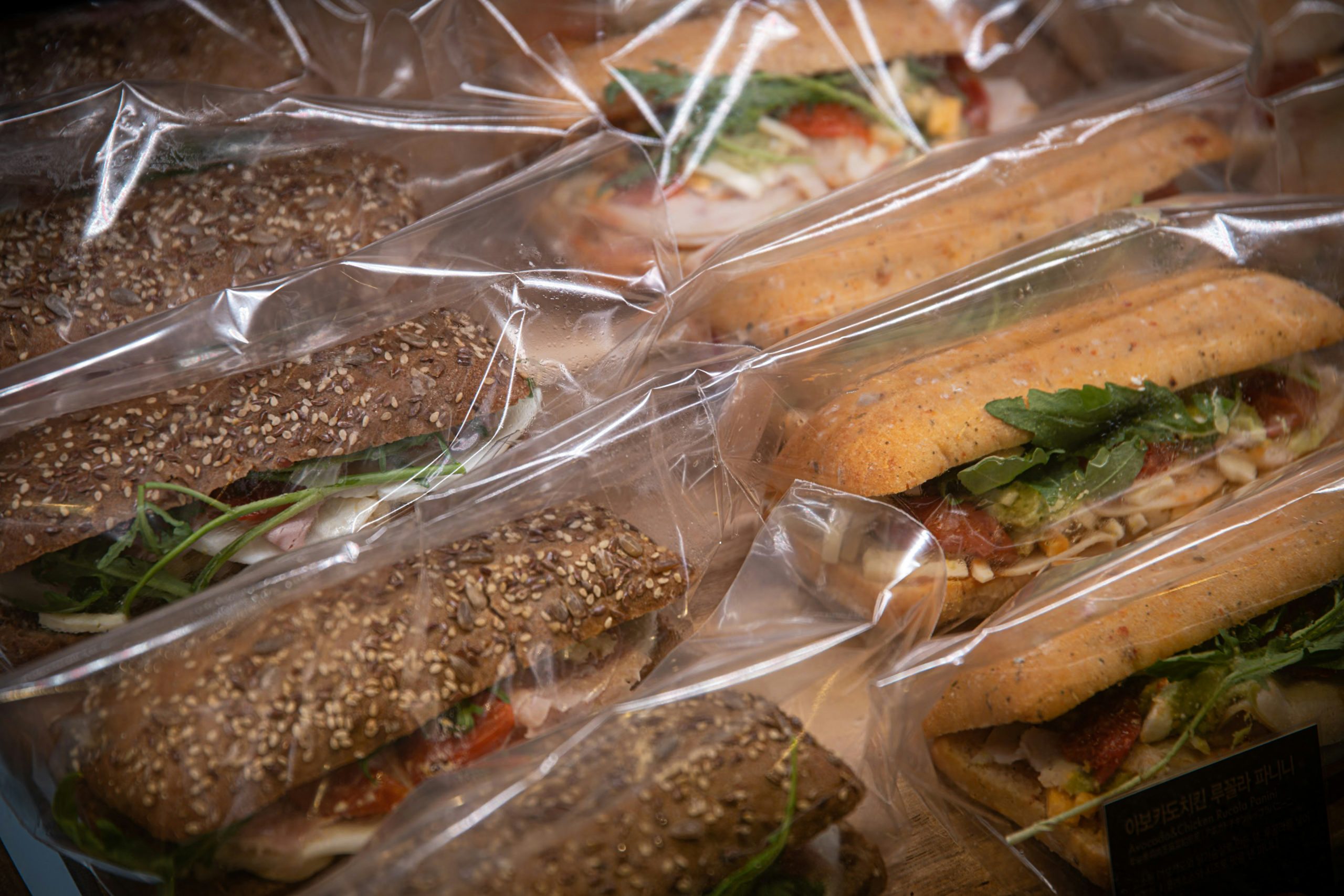
If you’ve ever argued with a self-checkout about an unexpected item in the bagging area, you already know roughly how micro markets work. Just swap the supermarket for your staff room.
A micro market is a small, unstaffed shop with open shelves and fridges, where people help themselves and pay at a kiosk. Next to a traditional vending machine, it can feel like a big upgrade, with far more choice and plenty of room for fresh food.
Bigger isn’t always better, though. A micro market needs space and a regular crowd to keep it ticking over, and for some sites a good old-fashioned machine is still the smarter choice.
Below, we’re comparing the two side by side. Pure Foods Systems has over 30 years in the vending trade, and we handle micro markets from the first layout sketch right through to day-to-day management.
What is a micro market?
A micro market is a self-service shop, usually set up in a staff room or break area, where customers help themselves from open shelves and fridges, then pay at a self-checkout kiosk. There’s nobody behind a counter, and it’s typically open around the clock.
Think of it as a halfway house between a vending machine and a convenience shop. Because nothing has to fit inside a spiral, the range can run from fresh sandwiches and fruit to granola bars, juices and flavoured waters.
How micro market vending works
Customers scan each item at the kiosk and pay by card or phone. Some setups also include smart fridges, which unlock with a tap and charge automatically for whatever’s been taken. Behind the scenes, a cloud system records every sale, so you can see what’s selling and what’s running low in real time.
At Pure Foods Systems, our micro markets combine smart fridges and touchscreen vending machines with contactless payment, all monitored through a single cloud management system.
What about the kiosk?
If you’ve been searching for a micro market kiosk for sale, bear in mind that the kiosk is only one part of the picture. It needs to talk to your stock system, and it only earns its keep when the shelving, fridges and product range around it are right. That’s why micro markets tend to work best when they’re planned as a complete setup.
Micro markets vs traditional vending machines (side by side)
Micro market |
Traditional vending machine |
|
|
How customers shop |
Browse open shelves and fridges, then pay at a kiosk |
Choose a selection, pay, then wait for it to drop |
|
Product range |
Wide and easy to change, including fresh meals |
Limited by the number of spirals or slots |
|
Fresh food |
Easy to include in chilled fridges |
Possible, but needs a dedicated food machine |
|
Space needed |
A corner or small room |
About a metre of wall space per machine |
|
Security |
Relies on a trusted, staff-only location |
Products locked behind glass |
|
Payment |
Card and phone at a self-checkout kiosk |
Varies by machine, often including coins |
|
Best for |
Larger workplaces with a regular crowd |
Smaller teams and public spaces |
Neither format is better across the board. The right choice depends on how many people you’re feeding and where the setup will live.
When micro markets make sense
Micro markets come into their own when you have enough people to keep a wide range moving. A vending machine can only offer so many selections, and on a large site the same few dozen options get old fast. A micro market lets you rotate stock and trial new products based on what people actually buy.
They’re also a strong fit for workplaces that run around the clock. The HSE’s guidance on managing shift work recognises the importance of night workers being able to get food and drink during their breaks. A micro market gives the night shift the same choice as the day team, without the cost of keeping a canteen open.
If wellbeing is on the agenda, the wider range makes healthier choices far easier to offer. Fresh fruit and salads can sit comfortably alongside the crisps rather than being squeezed out by them.
The catch is that a micro market needs the right setting. It works best in a secure, staff-only area where the same people use it every day, and a sense of shared ownership helps keep things honest.
When a traditional vending machine is the better fit
A good vending machine still beats a micro market in plenty of situations. It’s likely to be the better choice if:
- Your team is small: With 20 or 30 people, a well-stocked combination machine covers the basics without the investment of a full shop.
- The space is open to the public: Waiting rooms and public corridors need products locked safely behind glass.
- Floor space is tight: A single machine fits against a wall, whereas a micro market would need a corner or a room of its own.
- You mainly need drinks and snacks: If nobody’s looking for a proper meal, a wider range may not earn its keep.
It doesn’t have to be one or the other, either. Pure Foods Systems can scale from a single machine to a full micro market setup, so you can start small and grow as demand does.
What stops people walking off with the stock?
It’s the first question every facilities manager asks, and it’s a fair one. Micro markets rely partly on trust, which is why location is so important.
Placing the market in a staff-only area, where everyone has a pass and knows their colleagues, does the heavy lifting. CCTV above the kiosk acts as a gentle reminder, and smart fridges add another layer of protection, as they stay locked until someone pays.
Real-time sales data also makes it easy to spot if stock is disappearing faster than it’s being paid for, so any problem can be dealt with early.
What to expect when setting up a micro market
Planning the layout
Every site is different, so a micro market starts with a plan. Pure Foods Systems works with you to design a layout that fits your space, from a compact corner with a couple of smart fridges to a full shop with shelving and a kiosk.
Keeping it stocked
Fresh food only works if it stays fresh, so restocking needs to be reliable. We handle the ongoing management, from stocking the shelves to monitoring sales through our cloud system, so the market runs without your team lifting a finger.
Budgeting
A micro market involves more upfront investment than a single machine, as you’re fitting out a small shop rather than plugging in one unit. The exact figure depends on the size of the setup and the equipment inside it, so it’s worth getting a quote based on your site.
Micro market FAQs
How much space do you need for a micro market?
Less than you might think. A compact setup could be a single smart fridge, such as the 690mm-wide SmartVend Solo, alongside a shelving unit and a small kiosk. Larger markets can fill a whole room. The key is a secure spot with a power supply and enough space for people to browse without getting in each other’s way.
Can a micro market sell fresh food?
Yes, and it’s one of the biggest advantages over a standard vending machine. Chilled fridges can hold sandwiches, salads, fresh fruit and yoghurts, and smart fridges add secure 24/7 access to fresh stock. Our guide to the rise of the smart fridge explains how they work in more detail.
Do micro markets take cash?
Micro markets are typically cashless, with customers paying by card or phone at the kiosk. That keeps things simple, as there’s no cash to collect and no change to top up. If some of your staff rely on cash, raise it early so the setup can be planned around them.
Can I switch from a vending machine to a micro market later?
Yes. Some sites start with a vending machine and add a micro market once they know what sells. Sales data from the machine can help shape the product range, and we also buy and part-exchange used vending machines if you’re ready to move on from yours.
So, shop or machine?
There’s no universal winner here. Micro markets give a larger workforce more choice and round-the-clock access to fresh food in a way no single machine can match. A traditional vending machine is simpler and better suited to public spaces and smaller teams.
The right answer comes down to how many people you’re feeding and where the setup will live.
Pure Foods Systems can help with either. Whether you need one machine or a full micro market, our team will design a setup around your site and keep it running smoothly. Get in touch to talk it through.
Ready to find the right solution for your business?
From vending machines and smart fridges to workplace coffee and self-service solutions, Pure Foods Systems can help you find an option that works for your space, your customers and your budget.